Childhood obesity is a growing concern across the globe, with many families seeking practical, nutritious, and appealing solutions to help their kids achieve a healthier lifestyle. While traditional diet plans often focus on strict restrictions, it’s important to emphasize foods that are both nutritious and enjoyable. Fruit leathers, a concentrated form of natural fruit, are a standout option that combines health benefits with kid-friendly appeal.
Let’s learn from the medical and nutritional perspective why fruit leathers are an excellent addition to diet plans for kids struggling with obesity, how they contribute to better nutrition, and ways to incorporate them effectively into your family’s routine. But before we jump on my words, check this video and watch how easy it is to make your own, homemade, full of love and care, fruit leathers for your kids: https://youtu.be/4UmoUEkyHvA?si=A3l8cGx9yMqDa8RR
As a doctor, I deeply understand how challenging it can be for parents to navigate these concerns. Childhood obesity is a complex issue, and every child’s journey is unique. While fruit leathers offer a nutritious and appealing option, it’s crucial to remember that managing obesity requires a tailored approach. Always consult with a healthcare professional to create a comprehensive plan that addresses your child’s specific needs, ensuring their growth and development remain healthy and supported. Together, we can make small, sustainable changes that have a big impact over time.
Understanding Childhood Obesity and Nutritional Needs
Childhood obesity often stems from a combination of factors, including poor dietary choices, sedentary lifestyles, and the prevalence of calorie-dense but nutrient-poor snacks. The statistics are staggering — globally, over 340 million children and adolescents aged 5–19 were classified as overweight or obese in 2016, according to the World Health Organization (WHO). In the United States alone, the CDC reports that nearly 1 in 5 children (19.7%) between the ages of 2 and 19 are affected by obesity.
Genetics also plays a significant role in childhood obesity. Studies suggest that 40–70% of an individual’s predisposition to obesity can be attributed to genetic factors. Variants in genes like FTO (fat mass and obesity-associated gene) have been linked to increased hunger, reduced satiety, and a preference for high-calorie foods. However, while genetics may increase susceptibility, environmental and lifestyle factors are the primary drivers of this epidemic.
Addressing this issue requires a balanced, multi-faceted approach:
- Nutrient density is essential for providing the necessary vitamins and minerals without excessive calories.
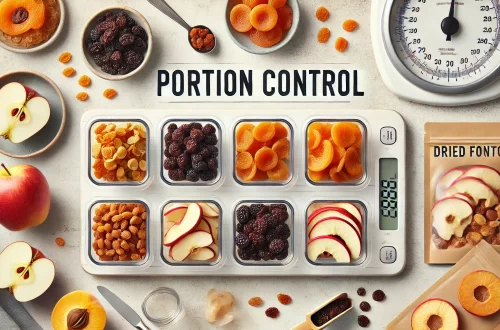
- Portion control helps manage energy intake, especially in an environment saturated with oversized servings.
- Sustainable habits, such as regular physical activity and family meal planning, ensure long-term success.
- Psychological and emotional support, such as group therapy or even sports activities.
- Medical visits
By understanding the interplay between genetics, environment, and behavior, families can adopt targeted strategies to combat childhood obesity and set children on a healthier path for life.
Why Nutrient-Dense Snacks Are Key
Children struggling with obesity often consume snacks high in added sugars and unhealthy fats, which contribute to weight gain without providing essential nutrients. Replacing these with nutrient-dense snacks like fruit leathers offers:
- Vitamins and Minerals: A single serving of fruit leather can provide essential nutrients like vitamin C, potassium, and fiber.
- Sustained Energy: The natural sugars in fruit leathers offer a slow energy release, preventing sugar crashes.
- Satiety: High fiber content helps kids feel full longer, reducing the temptation to overeat.
What Makes Fruit Leathers Unique?
Fruit leathers are made by pureeing fruit and drying it into thin sheets, creating a chewy, flavorful snack. They are an ideal alternative to sugary, processed snacks for several reasons:
1. Portion Control
Each fruit leather is pre-portioned, making it easy to regulate calorie intake. For parents, this takes the guesswork out of determining appropriate serving sizes.
2. Low-Calorie Sweetness
Unlike candy or other sugary snacks, fruit leathers provide natural sweetness without excessive calories. For example, a typical fruit leather contains around 50–80 calories per serving, compared to a candy bar’s 200+ calories.
3. High Fiber Content
The drying process preserves the fiber content of fruits, making fruit leathers a high-fiber snack that supports digestion and helps kids feel full. Fiber intake is critical for weight management as it reduces hunger and supports a healthy gut microbiome.
4. Rich in Nutrients
Fruit leathers retain most of the nutrients from the original fruit, including:
- Vitamin C for immune health.
- Potassium for healthy blood pressure.
- Antioxidants to combat inflammation linked to obesity.
The Role of Fruit Leathers in Weight Management
1. Reducing Cravings
Kids often crave sweet treats, and denying these cravings entirely can backfire. Fruit leathers satisfy sweet cravings naturally, reducing the reliance on processed sugars that contribute to weight gain.
2. Promoting Healthy Eating Habits
Fruit leathers are a gateway to introducing kids to natural flavors and reducing their dependence on artificial flavors and preservatives. Over time, this helps them develop a preference for wholesome foods.
3. Convenience for Busy Families
Busy schedules often lead to unhealthy snack choices. Fruit leathers are lightweight, portable, and non-perishable, making them a convenient option for school lunches, after-school snacks, or on-the-go nourishment.
Homemade vs. Store-Bought Fruit Leathers
Benefits of Homemade Fruit Leathers
- No Added Sugars: You control the ingredients, ensuring there are no unnecessary sweeteners or preservatives.
- Cost-Effective: Making fruit leathers at home can save money in the long term, especially when using seasonal or discounted fruits.
- Customization: Blend your family’s favorite fruits or add spices like cinnamon for variety.
- Bonus: check out this square 10-tray dehydrator! Or this 12-tray dehydrator if you prefer having a bit more space to use! Or even this round dehydrator, I used this last one when I first started making fruit leathers in 2016! Silicone trays for square dehydrator and round trays for fruit leather.
Choosing the Right Store-Bought Options
If making fruit leathers at home isn’t feasible, look for store-bought versions with:
- 100% Fruit: Check the ingredient list for real fruit as the first and only ingredient.
- No Added Sugars or Preservatives: Avoid brands that add unnecessary sweeteners.
How to Incorporate Fruit Leathers into a Diet Plan
1. As a Snack Replacement
Replace high-calorie, nutrient-poor snacks like chips or cookies with fruit leathers. Pair them with a small portion of nuts or seeds for a balanced snack that includes healthy fats and protein.
2. Lunchbox Additions
Fruit leathers are a kid-friendly alternative to processed desserts often found in lunchboxes. They’re fun, colorful, and appealing without compromising nutrition.
3. Post-Activity Energy Boost
After physical activity, fruit leathers provide natural sugars and electrolytes that help replenish energy.
4. In Meal Prep
Involve your kids in the process of making fruit leathers at home. This activity not only teaches them about healthy eating but also makes them more likely to enjoy the final product.
Addressing Common Concerns
1. Sugar Content
While fruit leathers contain natural sugars, they are a much healthier alternative to refined sugar found in candy or soda. The key is moderation and portion control.
2. Cost
Homemade fruit leathers can significantly reduce costs. For example:
- Cost of Ingredients: 5 pounds of fresh apples ($7) can yield around 30 servings of apple-based fruit leather, reducing the cost per serving to $0.23 compared to $1+ for store-bought options.
3. Texture Preferences
Some kids may initially find the chewy texture unfamiliar. Pair fruit leathers with nuts or seeds to add a variety of textures and encourage acceptance.
Recipe for Homemade Fruit Leathers
Simple Strawberry Fruit Leather
Ingredients:
- 3 cups fresh strawberries
- 1–2 tbsp honey or maple syrup (optional)
- 1 tsp lemon juice
Instructions:
- Blend strawberries and lemon juice until smooth.
- Optional: Add honey or maple syrup for extra sweetness.
- Spread the puree onto a parchment-lined baking sheet.
- Bake at 150°F (65°C) for 4–6 hours or until the leather is firm but pliable.
- Cool, cut into strips, and store in an airtight container.
Conclusion
Fruit leathers are more than just a snack; they can be a valuable ally for families navigating the challenges of childhood obesity. With their natural sweetness, fiber, and essential nutrients, fruit leathers satisfy cravings in a way that promotes healthier eating habits. Their portability, versatility, and affordability make them an accessible, effective addition to the kid’s weight management plan.
As a doctor who already talked to several families fighting obesity, I understand how overwhelming it can be to address these challenges while juggling the demands of daily life. Remember, you don’t have to do it alone. Always consult with your child’s doctor or a registered dietitian before making significant dietary changes. Together, you can create a plan that supports your child’s health and happiness. By incorporating homemade fruit leathers into your routine, you’re not just addressing nutrition, you’re fostering a love for wholesome, nourishing foods, that you know what’s inside. This small yet meaningful step paves the way for a healthier, more joyful future for your family.