In today’s world, where environmental impact is a growing concern, making sustainable choices in how we preserve and consume food has never been more critical. Dehydrating fruits and canning are two common preservation methods, but one is significantly kinder to the planet: dehydration. As a chef, doctor, and advocate for health and sustainability, I’ve discovered that dehydrating fruits not only provides numerous health benefits but also carries a smaller environmental footprint compared to canning. In this article, we’ll dive into the reasons why dehydrating fruits is a more eco-friendly option and how it can make a tangible difference in protecting our planet.
1. Environmental Impact of Food Preservation Methods
Energy Consumption
Canning: The canning process requires a significant amount of energy. From heating the jars to boiling fruits for sterilization, canning involves prolonged use of electricity or gas. Additionally, the production and recycling of cans or glass jars further add to its energy footprint.
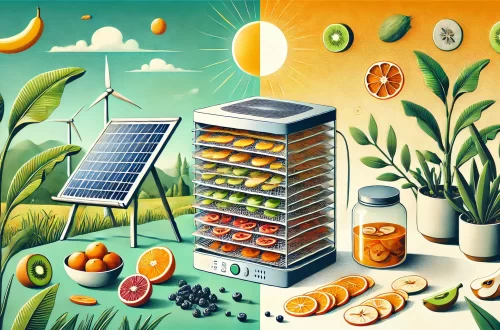
Dehydrating: Dehydration, on the other hand, is an energy-efficient preservation method. Using modern dehydrators, solar dehydrators, or even an oven at a low temperature requires less energy compared to the heat-intensive canning process. Solar dehydration, in particular, is an energy-neutral option that relies entirely on the sun’s power, making it the most eco-friendly choice.
Packaging and Waste
Canning: Canning fruits often involves single-use lids, which contribute to waste. Even when glass jars are reused, the sealing materials typically aren’t. Moreover, the weight and bulk of canned goods result in higher transportation emissions.
Dehydrating: Dehydrated fruits are lightweight, compact, and easy to store in reusable or biodegradable packaging. By eliminating the need for heavy jars and lids, dehydration significantly reduces packaging waste. You can even store your dehydrated fruits in reusable glass containers, further minimizing your environmental impact.
2. Dehydration: A Resource-Efficient Option
Water Usage
Canning requires a substantial amount of water for boiling, sterilizing jars, and creating syrups or brines. This water usage adds up, especially when preserving fruits in bulk. In contrast, dehydration removes the water content from fruits, eliminating the need for additional water during the preservation process.
Space and Storage Efficiency
Dried fruits take up far less space than canned fruits, making them easier to store in your pantry or transport. Their lightweight nature means fewer resources are needed for shipping, leading to reduced carbon emissions compared to transporting heavy jars of canned fruits.
3. Nutritional and Health Benefits
While both methods aim to preserve the goodness of fruits, dehydrating fruits retains their natural flavors and nutrients better, especially when done correctly.
Vitamin Preservation: A Nutritional Edge
Dehydration maintains a higher proportion of vitamins and antioxidants compared to canning. The high-heat processes used in canning often destroy heat-sensitive nutrients like vitamin C, which is vital for immunity and skin health. For example, canned fruits can lose up to 50% of their vitamin C content during processing, whereas dehydration retains most of the nutrient content due to its gentler temperature requirements. This makes dehydrated fruits a superior option for preserving the essential nutrients your body needs for optimal health.
No Added Preservatives: Pure and Natural
Unlike canned fruits, which often depend on syrups, salts, or chemical preservatives to enhance flavor and extend shelf life, dehydrated fruits are inherently pure. The dehydration process relies solely on removing water content, preserving the fruit in its natural form without needing any additional substances. This is especially true when you make dehydrated fruits at home—you control every aspect, ensuring there are no hidden additives or artificial ingredients. This makes them an ideal choice for health-conscious individuals looking for clean, natural snacks.
Avoiding Excess Sugars in Canned Fruits
Canning frequently requires the addition of sugars or syrups, particularly for fruits like peaches, pears, or cherries. A single cup of canned peaches in heavy syrup, for example, can contain over 30 grams of added sugar—a significant spike that’s unnecessary for most diets. In contrast, dehydrated fruits rely on their natural sweetness to deliver flavor. This makes them not only a healthier choice but also a way to manage sugar intake effectively, especially for those aiming to reduce their consumption of added sugars.
Portion Control: Concentrated Flavor, Minimal Waste
Dehydrated fruits offer a unique advantage when it comes to portion control. Since they are concentrated in both flavor and nutrients, even a small portion can be satisfying. For example, just a few slices of dehydrated mango or a handful of dried apple chips can provide a burst of flavor and nutrients without overindulging. This is particularly beneficial for people looking to manage their calorie intake while still enjoying a wholesome snack. Additionally, the compact nature of dehydrated fruits means less waste—each piece is consumed without the worry of spoilage.
4. Longevity and Food Waste Reduction
Shelf Life: An Economical and Eco-Friendly Advantage
One of the standout benefits of dehydrating fruits is their extended shelf life, making them a valuable addition to any kitchen. While canned fruits generally last 1–2 years when stored properly, dehydrated fruits can easily surpass this timeframe. When sealed in airtight containers and kept in a cool, dark place, dehydrated fruits can remain fresh and safe to eat for several years. This longevity is particularly useful for meal preppers, families, or anyone who wants to stock up on healthy snacks without worrying about frequent spoilage. The extended shelf life of dehydrated fruits significantly reduces food waste, ensuring that every piece of fruit you buy or grow finds its way to your table rather than the trash.
Additionally, the compact nature of dehydrated fruits means they take up less storage space compared to canned goods. This efficiency not only saves pantry space but also makes them an ideal option for outdoor enthusiasts or anyone needing portable, long-lasting nutrition for hiking, camping, or emergencies.
Using “Imperfect” Fruits: A Sustainable Choice
Dehydration offers a practical solution for utilizing imperfect or blemished fruits that might otherwise go to waste. Many people overlook slightly bruised or overripe fruits because they don’t meet aesthetic standards for fresh consumption or canning. However, these fruits often retain their flavor and nutritional value, making them perfect candidates for dehydration. For example, a bruised apple or a soft peach may not be visually appealing in a fresh fruit salad but can be transformed into delicious and chewy dried snacks.
By dehydrating these fruits, you’re contributing to a more sustainable food system, reducing the global issue of food waste. In the United States alone, roughly 30–40% of the food supply goes to waste each year, with much of this coming from perfectly edible produce. Dehydration allows you to rescue these fruits and enjoy their full nutritional benefits while reducing your environmental footprint.
Moreover, the process encourages a zero-waste mindset, especially if you experiment with dehydrating fruit peels, like apple or citrus peels, to create flavorful snacks or tea infusions. This not only reduces waste but also adds variety and creativity to your kitchen. By giving imperfect fruits a second life, you save money, reduce waste, and make a positive impact on the environment—all while enjoying tasty and nutritious snacks.
5. Cost-Effectiveness
Economic and Resource Comparison: Canning vs. Dehydrating
When considering the economic and environmental impact of food preservation methods, it’s essential to compare canning and dehydrating based on cost, resource usage, and long-term benefits.
Canning: High Upfront and Recurring Costs
Canning requires an extensive list of supplies and significant resource consumption:
- Materials and Equipment: To start canning, you need jars, lids, bands, and a canner. These items, especially high-quality jars and specialized canners, can be costly upfront. While jars are reusable, lids often need replacement after each use, adding recurring expenses to the process.
- Energy and Water Use: Canning is resource-intensive. The process involves boiling large pots of water to sterilize jars and cook the contents, consuming significant energy and water. For those canning in bulk, this translates into a substantial environmental footprint.
- Long-Term Costs: Over time, the replacement of lids and the energy required for each canning session add up. While canning is a popular method for preserving fruits, it demands both financial and environmental resources that may not align with sustainable practices.
Dehydrating: A More Accessible, Sustainable Option
In contrast, dehydrating fruits offers a cost-effective and eco-friendly alternative:
- Modern Dehydrators as an Investment: While a high-quality electric dehydrator may seem like an upfront expense, it quickly pays for itself by reducing food waste and enabling homemade dried fruit production. A dehydrator can last for years, and its energy consumption is relatively low compared to the repeated boiling required for canning.
- Solar and DIY Options: For an even more affordable approach, solar dehydrators harness the power of the sun, eliminating energy costs entirely. DIY oven dehydration methods provide an accessible option for beginners, requiring only minimal setup and materials.
- Minimal Waste: Unlike canning, which involves single-use lids and significant water use, dehydrating relies on reusable trays or racks, generating little to no waste.
Why Dehydrating Stands Out
Not only is dehydration more affordable and sustainable in the long run, but it also allows for greater versatility. By investing in a dehydrator or using solar-powered alternatives, you can create a variety of nutritious snacks like fruit leathers, chips, and dried fruits without relying on single-use materials or additives. This approach empowers individuals to preserve fruits efficiently while aligning with sustainable practices, making dehydration an accessible and eco-conscious choice for households looking to reduce their environmental impact.
Bulk Buying and Seasonal Savings
Dehydrating fruits allows you to take advantage of seasonal produce sales. Buying fruits in bulk during peak season and dehydrating them ensures you have a year-round supply without relying on expensive out-of-season canned goods.
6. Dehydration Techniques for an Eco-Friendly Lifestyle
Solar Dehydration
Harness the power of the sun by using solar dehydrators. These devices use no electricity and are highly effective in dry, sunny climates. They’re a fantastic option for anyone looking to go completely green with their preservation methods.
Electric Dehydrators
Modern dehydrators are energy-efficient and allow you to dehydrate fruits at low temperatures, preserving more nutrients. Many models now come with timers and energy-saving features.
Oven Dehydration
If you don’t have a dehydrator, your oven can be a great alternative. Set it to a low temperature (around 140°F or 60°C) and use a fan to circulate the air. While this method uses more energy than a dehydrator, it’s still more eco-friendly than canning.
Conclusion: Dehydrating for a Healthier Planet
When it comes to preserving fruits in an environmentally conscious way, dehydration is a clear winner over canning. From lower energy and water consumption to reduced waste and superior nutritional retention, dehydrating fruits aligns with a sustainable and health-focused lifestyle.
Not only does dehydration allow you to enjoy nutrient-dense, portable snacks, but it also empowers you to take control of your environmental impact. Whether you invest in a solar dehydrator or use your oven, every step you take toward dehydration contributes to a healthier planet — and a healthier you.
So why not make the switch? Start experimenting with dehydrating fruits today and enjoy the benefits of sustainable, nutritious, and delicious snacks for years to come. Together, we can make a positive impact, one fruit at a time.