Homemade dried fruits and fruit leather are more than just healthy, tasty snacks—they can be a means of spreading kindness and making a positive impact on your community. In a world where food insecurity remains a challenge for millions, sharing homemade, shelf-stable treats like dried fruits is a simple yet powerful way to help those in need.
The Bible teaches us to love our neighbors, care for the vulnerable, and give generously from what we have. This article explores how you can turn your home dehydration skills into an act of generosity that reflects these timeless principles. From the benefits of donating nutritious snacks to practical steps for getting started, you’ll see how your efforts can bring sweetness, health, and hope to those who need it most.
The Need for Nutritious Donations
Food insecurity is a growing concern in many communities. While food banks and shelters do incredible work, they often face challenges in providing nutrient-rich, shelf-stable items. Many donations tend to focus on canned or processed goods, leaving a gap in the availability of fresh and wholesome snacks.
Homemade dried fruits and fruit leather are an excellent solution. These snacks are portable, easy to store, and packed with vitamins, fiber, and energy. By donating your homemade creations, you’re not only filling a nutritional gap but also adding a touch of care and thoughtfulness to the food being offered.
Hebrews 13:16 says: “Do not neglect to do good and to share what you have, for such sacrifices are pleasing to God”. When we use our resources and talents to provide for others, we reflect God’s love and His call to serve.
Why Homemade Dried Fruits Are Ideal for Donations
Dried fruits and fruit leather are perfect for donations because they are:
- Shelf-Stable: Unlike fresh produce, dehydrated snacks can last for months when properly stored, making them practical for distribution.
- Nutritious: They retain much of the fruit’s original vitamins and minerals, offering a healthy alternative to many processed snacks.
- Portable: Lightweight and compact, they’re easy to distribute and ideal for individuals who may not have access to refrigeration or cooking facilities.
- Customizable: You can tailor your recipes to suit a variety of tastes and dietary needs, ensuring everyone can enjoy a nutritious treat.
In 1 John 3:17 is wrote: “If anyone has the world’s goods and sees his brother in need, yet closes his heart against him, how does God’s love abide in him?”. Sharing healthy, homemade food can be a tangible way of opening your heart and demonstrating God’s love.
How to Get Started: Making Dried Fruits and Fruit Leather for Donation
1. Choose the Right Fruits
Start with fruits that are affordable, widely loved, and easy to dehydrate. Apples, bananas, mangos, and strawberries are great choices. If you can access locally grown or in-season fruits, even better—this helps keep costs low while supporting sustainable practices.
2. Create a Variety of Options
Consider making both dried fruit slices and fruit leather to offer variety. For fruit leather, blend ripe fruits into a puree and spread it thinly on parchment paper before dehydrating. Add a touch of lemon juice or cinnamon for flavor, but skip added sugars or preservatives to keep it healthy.
3. Ensure Proper Hygiene and Storage
Cleanliness is essential when preparing food for others. Wash your hands, use sanitized equipment, and store finished snacks in airtight, food-grade containers. Vacuum-sealed bags or reusable zip-lock pouches are excellent for maintaining freshness.
4. Package Thoughtfully
Label your donations with the type of fruit, ingredients, and any allergens. Small, individual portions work best, making it easy for food banks or shelters to distribute.
“Each of you should give what you have decided in your heart to give, not reluctantly or under compulsion, for God loves a cheerful giver” (2 Corinthians 9:7). Preparing these snacks with care and joy adds a spiritual richness to the act of giving.
Where to Donate Your Creations
There are many organizations and groups that would gladly accept your dried fruit donations:
- Food Banks: These organizations are always in need of nutritious, non-perishable items.
- Homeless Shelters: Provide snacks that individuals can carry with them throughout the day.
- Schools and After-School Programs: Some programs distribute food to children in need. Your fruit leather could be a hit among younger recipients.
- Community Centers or Churches: Many local groups organize food drives or meal services where your donations could make a difference.
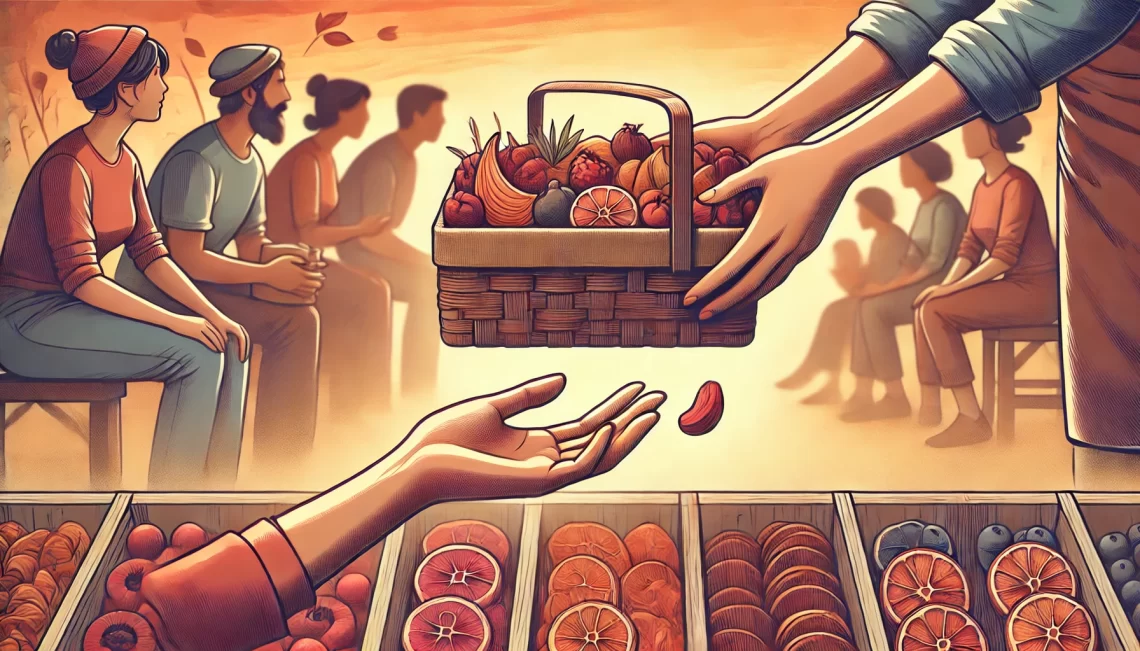
“Whoever is generous to the poor lends to the Lord, and he will repay him for his deed” is written in Proverbs 19:17. Offering your homemade treats to those in need is a way to serve both your neighbors and God.
The Joy of Giving Back
Sharing homemade snacks isn’t just about the food—it’s about the thought and care behind it. The simple act of dehydrating fruits and packaging them with love can bring joy to both the giver and the recipient. Involving your family or friends in the process adds another layer of meaning, turning this effort into a shared experience of compassion and connection.
By donating something you’ve made with your own hands, you’re not just providing sustenance—you’re sharing hope, kindness, and a little piece of yourself. It’s a reminder to the recipient that someone cares, and that can be as nourishing as the food itself.
Making It a Family or Community Effort
Turn this act of giving into a group activity! Involve your kids in the process, teaching them the value of generosity and hard work. Alternatively, organize a community dehydrating session where neighbors or friends come together to prepare large batches for donation. These efforts not only amplify the impact but also build stronger bonds within your community.
Matthew 25:40 teaches us “Truly, I say to you, as you did it to one of the least of these my brothers, you did it to me”. Acts of kindness and service reflect our faith and align with God’s call to care for others.
Conclusion
Homemade dried fruits and fruit leather are more than healthy snacks—they’re a way to live out Biblical principles by helping those in need. By using your dehydration skills to create nutritious, long-lasting treats, you can provide food banks, shelters, and community programs with a resource that’s both practical and heartfelt.
This isn’t just about food—it’s about hope, connection, and love in action. Whether you’re sharing your skills with your family or involving your community, these simple efforts can create a ripple effect of kindness. Together, we can nourish both bodies and spirits, one gesture of compassion at a time.