The Sweet Satisfaction of Saving
In today’s fast-paced world, making smart financial and nutritional decisions has become more critical than ever. Dried fruits and fruit leathers are fantastic snacks, offering a healthy, natural, and delicious way to satisfy cravings. However, store-bought options can be expensive, especially if you’re looking for high-quality, organic varieties.
This is where homemade dehydrated snacks come into play. Learning to make your own dried fruits and fruit leathers not only allows you to control the ingredients but also has a significant impact on your budget. In this article, I will explore the financial benefits, the nutritional perks, and even some clever ways to invest the money you may save — no matter how small the amount.
The High Cost of Convenience: Store-Bought Dried Fruits
It’s no secret that pre-packaged dried fruits and fruit leathers can be pricey, but when you break it down, the costs can be even more startling. For instance, a small 8-ounce bag of organic dried mangoes often costs between $6 to $12 depending on the brand and retailer. That equates to $12–$24 per pound, which is significantly higher than fresh mangoes priced at about $1–$2 per pound during peak season.
Let’s Do the Math:
- If you consume just one bag per week, you’re spending $24 to $48 per month on dried mangoes alone.
- Over a year, that adds up to $288 to $576 — money that could be invested elsewhere or saved for other healthy food options.
Why Are Store-Bought Dried Fruits So Expensive?
- Branding and Packaging Costs The premium price often reflects the cost of branding and eye-catching packaging. A fancy label with terms like “organic” or “gourmet” often comes with a markup of 20–30% over generic brands, even if the quality is similar.
- Shipping and Storage Many dried fruits are imported from tropical regions such as Southeast Asia or South America. The logistics of harvesting, drying, shipping, and storing these products add significantly to their retail cost. For example:
- Shipping costs can account for 10–15% of the retail price.
- Storage in temperature-controlled warehouses increases operational costs further.
- Added Sugars and Preservatives Many commercial dried fruits are loaded with unnecessary additives, such as refined sugar, sulfur dioxide (used to maintain color), and other preservatives. These additions not only decrease the product’s nutritional value but also increase manufacturing costs. Some brands even glaze dried fruits in syrups, inflating the calorie content and price.
- Labor and Processing Large-scale production often involves multiple steps, including peeling, slicing, drying, and packaging, each requiring labor and machinery. This added effort translates to higher costs for the end consumer.
Homemade Dried Fruits: Breaking Down the Savings
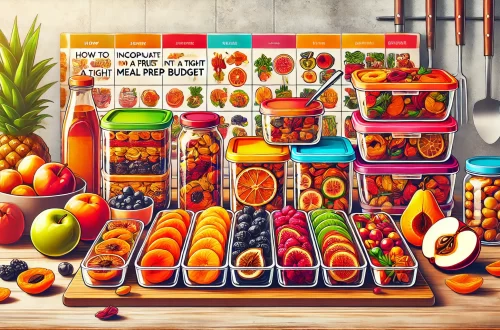
Making your own dried fruits and fruit leathers is an upfront investment that pays off in the long run. Here’s how:
1. Lower Cost Per Serving
Let’s say you purchase 10 pounds of fresh fruit for $15 and dehydrate it at home. After dehydration, the weight reduces by about 75%, leaving you with 2.5 pounds of dried fruit. That works out to $6 per pound—half the price of most store-bought options.
2. Utilizing Seasonal and Local Produce
Buying fruits in season or directly from local farmers can dramatically reduce costs. For instance:
- Apples in the fall can cost as little as $1 per pound.
- Bananas, available year-round, are often less than $0.60 per pound.
By dehydrating these affordable fruits at home, you’re stretching your budget while enjoying snacks that are both fresher and more nutritious.
3. Reducing Food Waste
Dehydration is an excellent way to use up overripe or surplus fruits that might otherwise go to waste. A handful of slightly bruised strawberries or bananas that are too soft for eating fresh can transform into delicious dried treats.
How Much Does It Cost to Dehydrate Fruits at Home?
The upfront costs of home dehydration may include:
- Dehydrator: Ranges from $40 for a basic model to $250+ for high-end versions.
- Oven Use: If you don’t own a dehydrator, your oven can do the job. The energy cost for using an oven at low temperatures for 6–12 hours typically ranges between $0.50 and $1.50.
- Silicone Mats or Parchment Paper: These are inexpensive tools to prevent fruit leathers from sticking.
For regular snackers, a $50 dehydrator pays for itself in just a few months.
Nutritional and Health Benefits: A Bonus for Your Budget
Switching to homemade dried fruits not only saves money but also maximizes their health benefits. By controlling the dehydration process and avoiding unnecessary additives, you ensure that your dried fruits are as wholesome and nutrient-dense as possible.
1. No Added Sugars or Preservatives
Many store-bought dried fruits are treated with sulfur dioxide to preserve color or coated with sugar syrups to enhance sweetness. These additives can lead to:
- Empty calories, which contribute to weight gain without adding nutrition.
- Blood sugar spikes, which are particularly harmful to individuals managing diabetes or prediabetes. Homemade dried fruits eliminate these concerns, allowing you to enjoy their natural sweetness without compromising on health.
2. Retained Nutrients
Dehydration at lower temperatures (often between 125°F–140°F) retains most of the fruit’s vitamins and minerals. For example:
- Vitamin A: Found in dried apricots and mangoes, supports eye health and immunity.
- Potassium: Essential for heart health, is abundant in bananas and figs.
- Fiber: Concentrated during the drying process, promotes gut health and keeps you fuller longer.
3. Customizable Flavors
Homemade options allow you to experiment with spices like cinnamon, nutmeg, or chili powder, enhancing the flavor while keeping the calorie count low. This turns simple dried fruits into a gourmet snack or versatile ingredient for meals.
4. Prevent Future Health Complications and Expenses
By improving your health with homemade options, you’re also reducing long-term diseases and healthcare costs associated with poor nutrition.
Investing the Money You Save
So, what should you do with the money you save by making your own snacks? Even small amounts can grow over time with the right approach. Here are some ideas:
1. Micro-Investing
Micro-investing platforms allow you to invest small amounts of money, either manually or automatically. Here’s what makes it so effective, but just a disclaimer: it is not an indication of investment, it is an example of what can be done with a small amount of money that maybe you wouldn’t pay attention.
Automated Contributions: You can set up recurring deposits (e.g., $10 or $20 per week), building your investment portfolio without having to think about it actively.
Round-Up Features: Apps like Acorns automatically round up your purchases to the nearest dollar and invest the spare change. For example, if you buy a coffee for $3.50, the app will round it up to $4 and invest the extra $0.50. Over time, these small contributions add up.
2. Emergency Fund
Use your snack savings to build or boost your emergency fund. Financial experts recommend saving at least six months’ worth of expenses. Check those videos about how to build your emergency fund: https://www.youtube.com/watch?v=SGkSoNsvbVs https://www.youtube.com/watch?v=jFMdvM2963M&t=1240s
3. Education or Skill Building
Investing in your education or skill development is one of the most impactful ways to maximize the benefits of homemade dried fruits and fruit leathers. By expanding your knowledge in areas like nutrition, gardening, or food preservation, you create opportunities to save more money, improve your health, and even explore potential income streams. Here’s why this step is so crucial:
Enhancing Nutrition Knowledge
Understanding the nutritional value of the foods you consume can empower you to make smarter choices. For example:
- A nutrition course can teach you about macronutrient balance, the importance of dietary fiber, and how to avoid hidden sugars in commercial products.
- Knowing which fruits offer specific health benefits (e.g., potassium in bananas, antioxidants in blueberries) allows you to dehydrate and consume foods that align with your health goals.
This education also helps you plan better meals and snacks, avoiding unnecessary food expenses on less nutritious options.
Learning Gardening Skills
Growing your own fruits at home can drastically reduce costs and give you full control over the quality of your produce. Gardening skills empower you to:
- Grow fruits like strawberries, apples, or figs in your backyard or even in containers.
- Harvest seasonal fruits and preserve them through dehydration, ensuring a year-round supply of healthy snacks.
- Save on grocery bills by using homegrown produce for your dried fruit projects.
According to the National Gardening Association, a well-maintained garden can yield up to $600 worth of produce annually for an average investment of $70 in seeds, soil, and tools.
Mastering Food Preservation Techniques
Courses or workshops on food preservation teach you techniques beyond dehydration, such as:
- Fermentation to create gut-friendly foods like pickled fruits or vegetables.
- Canning (although less eco-friendly) for occasional use.
- Vacuum sealing, which enhances the shelf life of your dehydrated fruits by minimizing exposure to oxygen.
These skills not only reduce food waste but also open opportunities to create value-added products, such as:
- Gourmet fruit leather rolls flavored with spices or natural sweeteners.
- Gift-worthy dried fruit and nut mixes packaged attractively.
Building Potential Income Streams
With these skills, you can turn your newfound expertise into a side hustle or small business. For example:
- Start selling homemade dried fruits or fruit leathers at local farmers’ markets.
- Offer personalized workshops teaching others how to dehydrate fruits or preserve seasonal produce.
- Use your knowledge to create engaging blog content or YouTube tutorials, which can generate passive income through ads and sponsorships.
Investing in Affordable Online Learning
Even on a tight budget, you can access affordable or free resources:
- Online platforms like Coursera or Udemy often have discounted courses on nutrition and gardening, sometimes starting at $10–$20.
- Community education programs frequently offer free or low-cost workshops on food preservation and gardening basics.
- YouTube provides countless tutorials to help you master these skills without spending a dime.
By dedicating a portion of your leftover savings—say, $50–$100—to education or skill building, you’re setting yourself up for a lifetime of benefits. Not only will you save more money on food, but you’ll also gain a sense of empowerment and sustainability that can improve your overall quality of life.
Practical Tips for Getting Started
- Choose the Right Fruits Start with versatile options like apples, bananas, or mangoes. Experiment with seasonal fruits to find what you like best.
- Use Simple Tools If you’re new to dehydrating, start with your oven before investing in a dehydrator.
- Batch Prep for Efficiency Dehydrate large quantities at once to make the most of your time and energy.
- Storage Tips Store dried fruits in airtight containers to preserve freshness and prevent spoilage.
- Make It a Family Affair Involve your family in the process. Kids love creating their own fruit leather flavors, and it’s a fun way to teach them about nutrition.
Conclusion: A Sweet Deal for Your Wallet and Health
Making your own dried fruits and fruit leathers is more than just a cost-saving strategy—it’s an investment in your health, your family’s well-being, and even the planet. By reducing food waste, controlling ingredients, and saving money on store-bought snacks, you’re making a sustainable choice that benefits both your budget and your lifestyle.
Start small, and watch the benefits grow. And remember, every dollar saved is a dollar that can be invested — whether in your future, your family, or your community. Transform homemade snacks into a delicious recipe for financial and nutritional success, one small decision at a time.