As a chef and medical professional, I’ve often encountered questions about the benefits and potential drawbacks of dehydrated fruits. One common query is whether the dehydration process affects the nutritional value of fruit, particularly for those aiming to lose weight. Dehydrated fruits are popular for their convenience, natural sweetness, and versatility, but how do they measure up nutritionally? This article will explore how dehydration impacts the nutritional profile of fruits and how they can fit into a weight-loss journey.
What Is Dehydration and Why Does It Matter?
Dehydration is the process of removing water from fruits using heat, airflow, or sunlight. The result is a concentrated form of fruit that retains much of its flavor, nutrients, and natural sugars. However, the process also alters some aspects of the fruit, which can have implications for weight management.
Why It Matters for Weight Loss
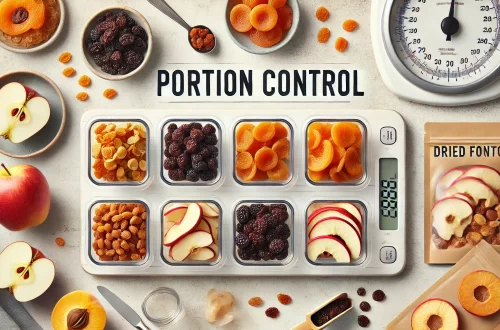
Understanding the changes that occur during dehydration is essential for making informed choices. While dehydrated fruits are nutrient-dense, they are also calorie-dense, which means portion control is crucial for those on a weight-loss journey. Don’t miss my post about portion control “Best Low-Calorie Dried Fruit for Snacking and Weight Control”.
How Dehydration Affects Key Nutrients
Let’s break down how the dehydration process impacts the nutritional profile of fruits:
- Water Content
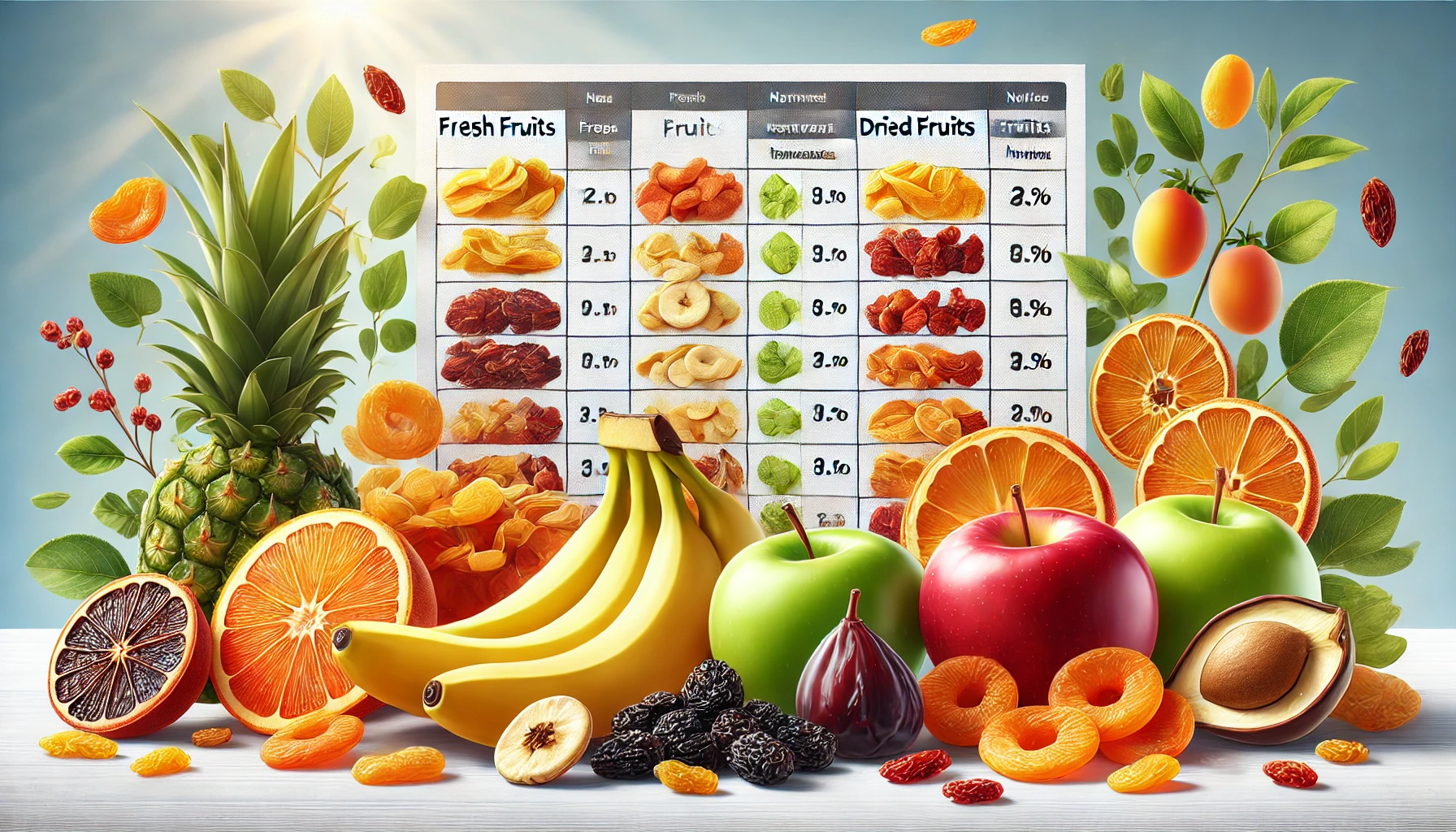
Fresh fruits are rich in water, which contributes to their low calorie density. For instance, watermelon is 92% water, making it incredibly hydrating and filling. When fruits are dehydrated, their water content is drastically reduced, leading to a much smaller, calorie-dense product. While this makes them convenient for snacking, it’s easy to overconsume calories if you’re not mindful. - Fiber
The good news is that the fiber content remains intact during dehydration. Fiber plays a critical role in weight loss by promoting satiety, regulating blood sugar levels, and supporting digestive health. For example:- Fresh Apples: ~2.4g fiber per 100g
- Dried Apples: ~8.7g fiber per 100g
This concentrated fiber can help you feel fuller for longer, but portioning remains key.
- Natural Sugars and Calories
Dehydration concentrates the natural sugars in fruit. A cup of fresh grapes contains about 60 calories, while the same amount of raisins has over 400 calories. This doesn’t mean dried fruits are unhealthy—they provide quick energy and are a better alternative to refined snacks—but portion control is essential to avoid consuming excess calories. - Heat-Sensitive Nutrients
Some vitamins, particularly vitamin C and certain B vitamins, are heat-sensitive and can degrade during dehydration. For example, fresh oranges are an excellent source of vitamin C, but their dried counterparts lose much of this nutrient. If vitamin C intake is a priority, complement dried fruits with other sources like fresh citrus fruits or bell peppers. - Antioxidants
Interestingly, some antioxidants, like polyphenols, become more concentrated during dehydration. Dried fruits like prunes, apricots, and figs can provide a potent dose of these compounds, which combat oxidative stress and support overall health.
The Science Behind Dehydrated Fruits and Weight Loss
Scientific studies support the role of fiber and antioxidants in weight management:
- Fiber and Satiety: A study in the Journal of Nutrition found that diets high in fiber help regulate appetite and reduce overall calorie intake.
- Antioxidants and Metabolism: Research in the American Journal of Clinical Nutrition highlights the role of polyphenols in improving metabolism and reducing inflammation, both of which are critical for effective weight loss.
Dehydrated Fruits and Weight Management: The Pros and Cons
The Pros
Convenience:
Dehydrated fruits are one of the most convenient snack options available. Their long shelf life means you can store them for months without worrying about spoilage, unlike fresh fruits that need to be consumed within days. Their compact and lightweight nature makes them perfect for on-the-go lifestyles, whether you’re traveling, hiking, or simply need a quick snack at work. Toss a small pack in your bag, and you’ve got a healthy option ready whenever hunger strikes.
Nutrient Density:
While the dehydration process removes water, it concentrates many of the fruit’s nutrients. Dried fruits retain their fiber, potassium, and a significant portion of antioxidants, making them a nutrient-packed choice for supporting heart health, digestion, and overall wellness. For example, dried apricots are a rich source of potassium, while prunes offer plenty of antioxidants that combat oxidative stress. Even though some heat-sensitive vitamins like vitamin C may diminish, the remaining nutrients still make dehydrated fruits a valuable addition to your diet.
Natural Sweetness:
One of the biggest advantages of dried fruits is their natural sweetness, which can help curb sugar cravings without resorting to processed desserts. The concentrated sugars in dried fruits provide a satisfying alternative to sugary snacks like cookies or candies, making them a better choice for those seeking to maintain or lose weight. Enjoy the sweet tang of dried mango or the chewy richness of dates as a guilt-free treat.
Bonus: Homemade Equals Control and Creativity:
When you dehydrate fruits at home, you unlock an entirely new level of benefits. First, you have complete control over the process, ensuring no added sugars, preservatives, or artificial chemicals sneak into your snacks. You can also customize the flavors to your liking—experimenting with cinnamon-spiced apple slices, lemon-infused banana chips, or even chili-coated mango strips. Homemade dried fruits are fresher, healthier, and often more cost-effective than store-bought options. Plus, there’s a deep sense of satisfaction in creating your own wholesome snacks for your family, knowing exactly what goes into them.
The Cons
Calorie Density:
Dehydrated fruits are calorie-dense due to the removal of water, which concentrates their natural sugars and calories. For instance, a cup of fresh grapes contains about 60 calories, while a cup of raisins (its dried counterpart) has over 400 calories. This means it’s easier to overconsume calories if you’re not mindful of portion sizes. While dried fruits are healthy, eating them in excess can derail weight management goals, making portion control essential.
Added Sugars:
Many commercially available dried fruits are sweetened with added sugars or syrups to enhance flavor and shelf appeal. These added sugars significantly increase calorie content and can counteract the health benefits of the fruit. For instance, a serving of sweetened dried cranberries can contain nearly twice the sugar of their unsweetened counterparts. Always check labels carefully and opt for unsweetened, natural varieties to avoid unnecessary sugar intake. Alternatively, making your own dried fruits at home is a great way to eliminate added sugars entirely.
Practical Tips for Including Dehydrated Fruits in Your Weight-Loss Plan
- Portion Control Is Key
Measure your servings carefully. A small handful (about 1/4 cup) is typically enough to enjoy the benefits without overloading on calories. - Pair with Protein and Healthy Fats
Combine dehydrated fruits with nuts, seeds, or a slice of cheese to create a balanced snack. This pairing slows digestion, stabilizes blood sugar, and provides sustained energy. - Choose Unsweetened and Homemade Options
Many store-bought dried fruits contain added sugars or preservatives. Making your own at home ensures a healthier option with no unwanted additives. Use a dehydrator, oven, or even sunlight to create your snacks. - Incorporate Them Into Meals
Use dehydrated fruits to enhance your meals. Add chopped dried apricots to salads, sprinkle raisins into oatmeal, or blend dried figs into smoothies for natural sweetness and added nutrients. - Use Them as Dessert Substitutes
Swap out cakes or cookies for a handful of dried mango or a date stuffed with almond butter. These options satisfy sweet cravings while offering fiber and nutrients.
Creative Recipes and Ideas for Homemade Dried Fruits
- Cinnamon-Apple Chips:
Sprinkle thin apple slices with cinnamon before drying for a warm, comforting snack. These chips pair perfectly with a cup of tea or as a topping for yogurt. - Chili-Lime Mango Strips:
Toss mango slices in a mix of chili powder and lime juice for a tangy and spicy twist. This snack is a flavorful alternative to store-bought spicy dried fruits. - Lemon-Berry Mix:
Dehydrate a mix of strawberries, blueberries, and raspberries, and zest some lemon over them for a refreshing, antioxidant-packed snack mix. - Tropical Fruit Leather:
Blend pureed bananas, pineapples, and coconut milk into a smooth mixture. Spread it thinly on a dehydrator tray and dry until it forms a flexible sheet. Cut into strips and roll them up for a fun snack. - Herb-Infused Citrus Slices:
Add a sprig of thyme or rosemary to each slice of orange or lemon before drying for an elegant garnish that doubles as a snack.
Benefits of Making Your Own Dried Fruits
- Cost Savings: By purchasing fresh fruits in bulk or using produce that might otherwise go to waste, you can save significantly compared to buying prepackaged dried fruits.
- Control Over Ingredients: Homemade dried fruits are free from added sugars, preservatives, and artificial flavors, giving you complete confidence in what you’re eating.
- Customizable Flavors: Experiment with your favorite spices, herbs, and marinades to create unique snacks that cater to your taste buds.
- Family Fun: Involve your kids or loved ones in the process. Let them pick fruits, assist with slicing, or design their fruit leather creations. It’s a bonding activity that also teaches healthy eating habits.
Conclusion
Dehydrating fruit affects its nutritional value, but not in a way that disqualifies it as a healthy option for weight loss. While some vitamins may be lost, the concentration of fiber, natural sugars, and antioxidants makes dehydrated fruits a powerful addition to a weight-loss diet—when consumed mindfully.
By practicing portion control, pairing dried fruits with protein, and choosing unsweetened or homemade options, you can enjoy their benefits without hindering your goals. Whether you’re snacking on dried apricots, adding raisins to oatmeal, or creating your own dried fruit medley at home, these nutrient-dense foods can be a delicious and practical tool in your weight-loss journey. So, embrace the convenience and sweetness of dehydrated fruits — just remember, a little goes a long way!