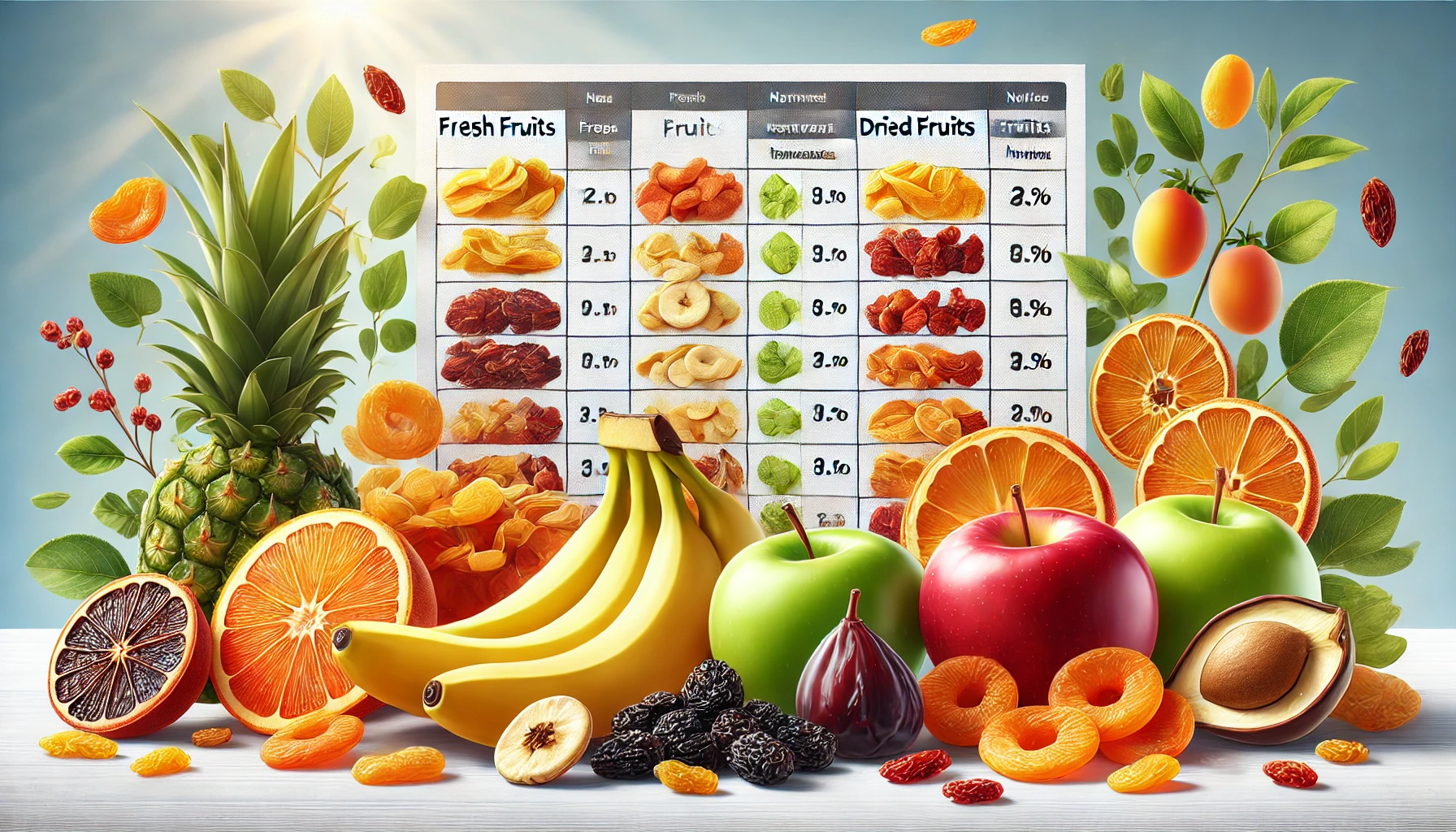
In the quest for healthy snacking and meal planning, people often find themselves choosing between fresh fruits and dried fruits. While both provide essential nutrients and natural flavors, there’s a debate over which is healthier. Are fresh fruits superior because they contain water and maintain their natural form? Or do dried fruits, with their compact, concentrated nutrients, offer a more powerful nutritional punch? This article will delve into the nutrient density of fresh fruits versus dried fruits, helping you make informed choices for your nutrient rich diet.
What Is Nutrient Density?
Before comparing fresh and dried fruits, it’s essential to understand the concept of nutrient density. Nutrient dense foods provide a high amount of essential vitamins, minerals, and nutrients relative to their calorie content. These foods, often unprocessed or minimally processed, offer maximum health benefits per bite. In the context of fruits, nutrient density refers to how much vitamins, minerals, and fiber you get for the calories consumed, making them some of the best nutrient dense foods for a healthy diet.
The Nutritional Breakdown of Fresh Fruits
Fresh fruits are packed with water, fiber, vitamins, and minerals, making them an important part of a nutrient rich diet. Some of the key nutrients found in fresh fruits include:
- Vitamins: Fresh fruits are rich in vitamin C (such as oranges, strawberries, and kiwi), which boosts the immune system, supports skin health, and aids in the absorption of iron.
- Fiber: Fresh fruits provide an excellent source of dietary fiber, which aids digestion and helps regulate blood sugar levels. For example, apples, pears, and berries contain both soluble and insoluble fibers that promote gut health.
- Water Content: Fresh fruits have a high water content, helping with hydration and promoting satiety without consuming excessive calories. Watermelon, for instance, contains over 90% water.
- Antioxidants: Fruits like blueberries, cherries, and grapes are rich in antioxidants, compounds that fight oxidative stress and reduce inflammation.
The Nutritional Breakdown of Dried Fruits
Dried fruits are simply fresh fruits with most of their water removed. This dehydration process concentrates the sugars, calories, and nutrients, making dried fruits a compact, nutrient dense snack. However, the drying process does affect the nutrient composition slightly:
- Concentrated Nutrients: Dried fruits often contain more concentrated levels of fiber, vitamins, and minerals per serving compared to fresh fruits. For instance, dried apricots, raisins, and figs are considered nutrient dense foods because they offer a high concentration of nutrients in a smaller volume.
- Higher Calorie Content: Dried fruits are more calorie-dense primarily because they are concentrated versions of fresh fruits with the water removed. While they are some of the most nutritious foods, portion control is essential to avoid consuming excess calories.
- Loss of Vitamin C: The drying process can lead to a loss of heat-sensitive nutrients like vitamin C. Fresh oranges, for example, are a great source of vitamin C, but dried citrus fruits may lose much of this nutrient during dehydration.
- Most Commercially Dried Fruits Have Added Sugars: Most commercially dried fruits have added sugars, making them quite different from the naturally dried fruits you can prepare at home. This added sugar can drastically increase the calorie content and diminish the nutritional benefits of dried fruits, so it’s important to choose dried fruits that are free from added sugars and chemicals whenever possible.
- Healthier Alternative to Processed Sweets: Due to their concentrated sweetness, dried fruits can be an excellent snack option for those craving sugary, processed desserts. The natural sugars in dried fruits offer a satisfying alternative to candies and cakes, making them a healthier way to satisfy your sweet tooth without resorting to overly processed, sugar-dense snacks.
Comparing Key Nutrients in Fresh and Dried Fruits
Let’s take a closer look at how fresh and dried fruits stack up against each other in terms of nutrient density.
1. Fiber Content
Both fresh and dried fruits are excellent sources of fiber. However, because dried fruits are more concentrated, they offer a higher amount of fiber per serving. For example, one cup of fresh apricots contains about 3 grams of fiber, while a cup of dried apricots contains about 9 grams. This makes dried fruits a high nutrient food that supports digestion and overall gut health.
2. Vitamin Content
Fresh fruits generally retain more vitamins, especially water-soluble ones like vitamin C, which is easily degraded by heat and air during the drying process. However, dried fruits still retain other nutrients like vitamin A in higher concentrations, making them a valuable addition to a nutrient dense diet.
3. Caloric Density
Fresh fruits are low in calories due to their high water content, making them ideal for weight management. In contrast, dried fruits are calorie-dense. While this can make them some of the best nutrient dense foods for quick energy, portion control is key to prevent overconsumption.
4. Antioxidants
Both fresh and dried fruits can be rich in antioxidants, but the drying process may enhance the antioxidant capacity in some fruits. For instance, dried berries like goji berries and cranberries often retain high levels of antioxidants, contributing to their place among the most nutritious foods.
5. Sugar Content
The natural sugars in fresh fruits are diluted by water, making them a hydrating and relatively low-calorie snack. In contrast, dried fruits contain concentrated sugars, which can lead to a higher glycemic index if you eat a substantially larger amount. While these natural sugars provide quick energy, consuming excessive quantities of dried fruits can lead to spikes in blood sugar. It’s important to note that most commercially dried fruits have added sugars, making them quite different from the naturally dried fruits you can prepare at home. Additionally, the concentrated natural sugars in dried fruits make them a satisfying and healthier alternative to processed desserts for those craving sugary snacks.
Health Benefits of Both Fresh and Dried Fruits
Fresh Fruits
Fresh fruits are ideal for those looking to hydrate and consume a lower-calorie, nutrient rich diet. Their high water content makes them a satisfying snack that can help with weight management, digestion, and overall health. Fresh fruits are also the best nutrient dense foods for maximizing vitamin C intake and enjoying fruit in its most natural form.
Dried Fruits
Dried fruits are perfect for those who need a portable, nutrient dense snack. Due to their concentration of fiber, vitamins, and minerals, dried fruits can provide a nutritional boost in smaller portions. They are especially useful for athletes, hikers, and individuals seeking high nutrient foods to fuel their energy needs.
When to Choose Fresh vs. Dried Fruits
- Fresh Fruits: If you’re focusing on hydration, weight management, and maximizing vitamin C intake, fresh fruits should be your go-to. Their high water content makes them one of the best nutrient dense foods for staying full and hydrated.
- Dried Fruits: If you’re looking for a convenient, portable, and nutrient dense snack with a long shelf life, dried fruits are an excellent option. Just be mindful of portion sizes to keep your calorie intake in check.
Conclusion
Both fresh and dried fruits have their unique benefits, and the choice between the two depends on your nutritional goals and lifestyle. Fresh fruits are hydrating, low in calories, and rich in water-soluble vitamins like vitamin C, making them staples in a nutrient rich diet. Dried fruits, on the other hand, offer concentrated nutrients, making them some of the best nutrient dense foods for those seeking quick energy and convenience.
Ultimately, incorporating both fresh and dried fruits into your nutrient dense diet can provide a balanced approach to nutrition. Whether you’re looking for nutrient rich foods for meal planning or the best nutrients to fuel your day, fresh and dried fruits offer a variety and complimentary factors of health benefits. Enjoy the best of both worlds, one bite at a time!