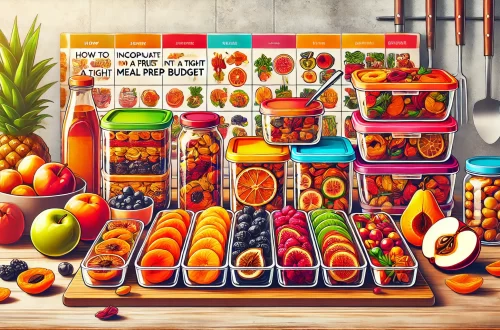
Healthy eating often gets a bad reputation for being expensive, but it doesn’t have to be. One of the most versatile and budget-friendly options available is dried fruits. These nutrient-packed snacks and ingredients are not only affordable but also long-lasting, making them perfect for families and individuals looking to save money while maintaining a healthy diet.
In this article, we’ll explore why dried fruits deserve a place on your shopping list, how they compare to other superfoods, and practical tips for incorporating them into your meals without breaking the bank. Whether you’re feeding a large family or sticking to a tight grocery budget, dried fruits can be a game-changer.
What Makes Dried Fruits a Superfood?
1. Nutrient-Dense
Dried fruits are made by removing most of their water content through dehydration. This process drastically reduces their size and weight while retaining the majority of their nutrients. That is why dried fruits and fruit leathers are concentrated sources of vitamins, minerals, and antioxidants.
Iron and Potassium
- Dried Apricots: Support energy levels, blood production, and heart health.
- Dried Bananas: Help maintain muscle and nerve function, and regulate blood pressure.
- Dried Prunes: High in potassium, promoting heart and mental health, also balancing electrolytes.
- Dried Peaches: Another good source of potassium.
Fiber
- Prunes: Contain soluble and insoluble fiber, promoting healthy digestion and preventing constipation.
- Dried Figs: High in dietary fiber, supporting gut health and lowering cholesterol levels.
- Raisins: Improve digestion and provide quick energy due to their natural sugars and fiber.
- Dried Pears: Rich in fiber, aiding in digestion and weight management.
- Dried Apples: Contain pectin, a type of soluble fiber that supports gut health.
Antioxidants
- Goji Berries: Known for their high levels of antioxidants, including zeaxanthin, which supports eye health.
- Dates: Packed with polyphenols that reduce inflammation and oxidative stress.
- Dried Blueberries: Loaded with anthocyanins, which support brain health and memory.
- Dried Cherries: Contain melatonin and antioxidants that reduce inflammation and promote better sleep.
- Dried Cranberries: Rich in proanthocyanidins, which support urinary tract health.
Vitamin C
- Dried Strawberries: Boost immunity and skin health with their high vitamin C content.
- Dried Kiwi: Tangy and loaded with vitamin C to support collagen production and immune function.
- Dried Pineapple: Contains bromelain and vitamin C, aiding digestion and immune support.
Vitamin A (Beta-Carotene)
- Dried Mangoes: Help improve vision and skin health.
- Dried Apricots: Essential for eye health and cell growth.
- Dried Persimmons: Provide beta-carotene for skin health and immune support.
Healthy Fats and Unique Benefits
Dried Avocado (rare but available): Provides healthy monounsaturated fats and vitamin E.
These nutrients make dried fruits comparable to more expensive superfoods like chia seeds or spirulina, but at a fraction of the cost.
2. Long Shelf Life
Dried fruits are a pantry staple that offer incredible value for their longevity. Unlike fresh fruits, which often have a shelf life of just days or weeks, dried fruits can last for months—or even up to a year—when stored in airtight containers in cool, dry places. This extended shelf life drastically reduces the risk of spoilage, ensuring that every piece of fruit you purchase gets used. For families on tight budgets or individuals who dislike frequent trips to the grocery store, dried fruits are an economical and convenient option that delivers consistent quality over time.
What’s more, the long shelf life of dried fruits supports meal planning and bulk purchasing, two strategies that significantly lower food costs. Buying dried fruits in larger quantities allows you to take advantage of sales or seasonal pricing, and because they don’t spoil quickly, there’s no rush to consume them all at once. This not only reduces waste but also empowers you to stretch your grocery budget further while always having a nutritious snack or ingredient on hand. Whether added to recipes or enjoyed as a quick snack, the durability of dried fruits makes them an unbeatable choice for long-term health and cost savings.
3. Versatility
Dried fruits are incredibly versatile, making them a true kitchen hero for those who value creativity and convenience. Not only can they be eaten straight out of the bag as snacks, but they can also elevate countless recipes, from savory salads to decadent desserts. Add raisins to a bowl of oatmeal for a touch of natural sweetness, toss dried cranberries into grain salads for a burst of flavor, or incorporate chopped dried apricots into baked goods for a moist, fruity texture. Their adaptability means that every purchase can serve multiple purposes, giving you more value and reducing the need for separate, specialized ingredients.
Beyond their whole form, dried fruits can be transformed into other useful products like fruit powders and fruit leather. Fruit powders, made by grinding dried fruits into a fine consistency, are perfect for smoothies, homemade protein bars, or even as natural food coloring in baking. Fruit leather, made by pureeing dried fruits and dehydrating them into a chewy, rollable snack, is a fun and nutritious treat for kids and adults alike. These variations add to the incredible versatility of dried fruits, ensuring that they can fit seamlessly into any meal plan or creative culinary endeavor. Whether you’re looking for a quick snack, an ingredient for a dish, or a new way to enjoy healthy foods, dried fruits and their byproducts deliver unmatched value and adaptability.
Why Dried Fruits Are Budget-Friendly
1. Affordable Options for Every Budget
Dried fruits are widely accessible, whether you shop at grocery stores, farmers’ markets, or online. Buying in bulk is an excellent way to lower the per-unit cost, making it easier to stock up on healthy, nutrient-dense snacks that fit into any budget. This approach not only saves money but also ensures you always have a ready supply of nutritious options for quick snacks, meals, or recipes. Additionally, many stores offer unsweetened and organic varieties, allowing you to prioritize health without overspending.
One of the goals of my blog is to encourage you to take this a step further by making dried fruits at home. Seasonal fresh fruits like apples, bananas, and mangoes can be easily dehydrated in your own kitchen with a dehydrator, oven, or even natural sunlight. By doing this, you’ll enjoy even greater savings, gain full control over the ingredients, and reduce reliance on store-bought options. My mission is to guide you through this process, showing you how simple and rewarding it can be to create your own dried fruits, fruit leathers, and powders. Together, we’ll make healthy eating not just affordable but also fun and empowering!
2. Replace Expensive Snacks
Skip pricey protein bars or processed snacks by reaching for dried fruits instead. A handful of raisins, dried mangoes, or figs can satisfy cravings, provide energy, and deliver essential nutrients—all at a fraction of the price.
3. Stretch Your Meals
Dried fruits can enhance meals without adding a lot to your budget. Add raisins to oatmeal, toss dried cranberries into salads, or use prunes in stews for a touch of natural sweetness.
Smart Ways to Use Dried Fruits in Your Diet
1. Breakfast Boosters
- Add chopped dried fruits like apricots or dates to oatmeal, yogurt, or smoothies for a nutrient-packed start to your day.
- Use dried berries in homemade granola or energy bars for a cost-effective alternative to store-bought options.
2. Sweet and Savory Pairings
- Pair dried figs with cheese and nuts for a gourmet snack that feels luxurious but is budget-friendly.
- Toss raisins or dried cranberries into grain-based salads like quinoa or couscous for added texture and flavor.
3. Baking and Cooking
- Replace refined sugar with mashed dates or dried fruit puree in baked goods like muffins or cookies.
- Add dried fruits to bread, pancakes, or waffles for natural sweetness without extra cost.
4. Homemade Snacks
- Make your own trail mix with dried fruits, nuts, and seeds.
- Use fruit leather made from pureed dried fruits as a healthier, budget-friendly alternative to store-bought snacks.
Comparing Dried Fruits to Other Superfoods
1. Cost Efficiency
While trendy superfoods like goji berries, chia seeds, and açai powder can be pricey, dried fruits offer similar benefits at a lower cost. For example:
- A bag of raisins provides antioxidants and iron comparable to goji berries but at half the price.
- Dried apricots deliver potassium levels similar to bananas but without the risk of spoilage.
2. Accessibility
Unlike some superfoods that require specialty stores, dried fruits are widely available in most grocery stores and can be home made. This makes them an accessible option for people in all income brackets.
3. Multi-Use Functionality
While many superfoods are limited to specific recipes, dried fruits can be used in sweet or savory dishes, as snacks, or as natural sweeteners in cooking.
Health Benefits That Save Money
Investing in dried fruits isn’t just about immediate savings—it’s also about long-term health benefits. By incorporating these nutrient-rich snacks into your diet, you may reduce healthcare costs associated with poor nutrition. The fiber, antioxidants, and essential nutrients in dried fruits support heart health, digestion, and energy levels, helping you stay healthier and more productive.
Conclusion
Dried fruits are the unsung heroes of budget-friendly nutrition. Affordable, versatile, and packed with nutrients, they’re a practical solution for anyone looking to eat healthy without overspending. From replacing expensive snacks to stretching meals and boosting flavors, dried fruits offer endless possibilities for enhancing your diet on a tight budget.
The next time you’re shopping, consider adding dried fruits to your cart. Whether you buy them in bulk, dehydrate them at home, or experiment with creative recipes, these affordable superfoods prove that healthy eating doesn’t have to be expensive. Start exploring the world of dried fruits today—you’ll save money, reduce waste and enjoy delicious nutrient-packed meals. Be healthy and untie your budget, one fruit at a time!